
Ever since Ancient Civilizations began to plan how their cities were laid out, architecture and planning have been used as an effective way to construct the physical environment, based on a “vision” or “master plan” for the future. However, the purpose of a “plan” is not simply to set out a blueprint for the physical creation of a desirable town or city. The plan is inseparable from ideological, political and economic aspects, which has the potential to control and destroy communities, just as it can liberate and create thriving, successful communities.
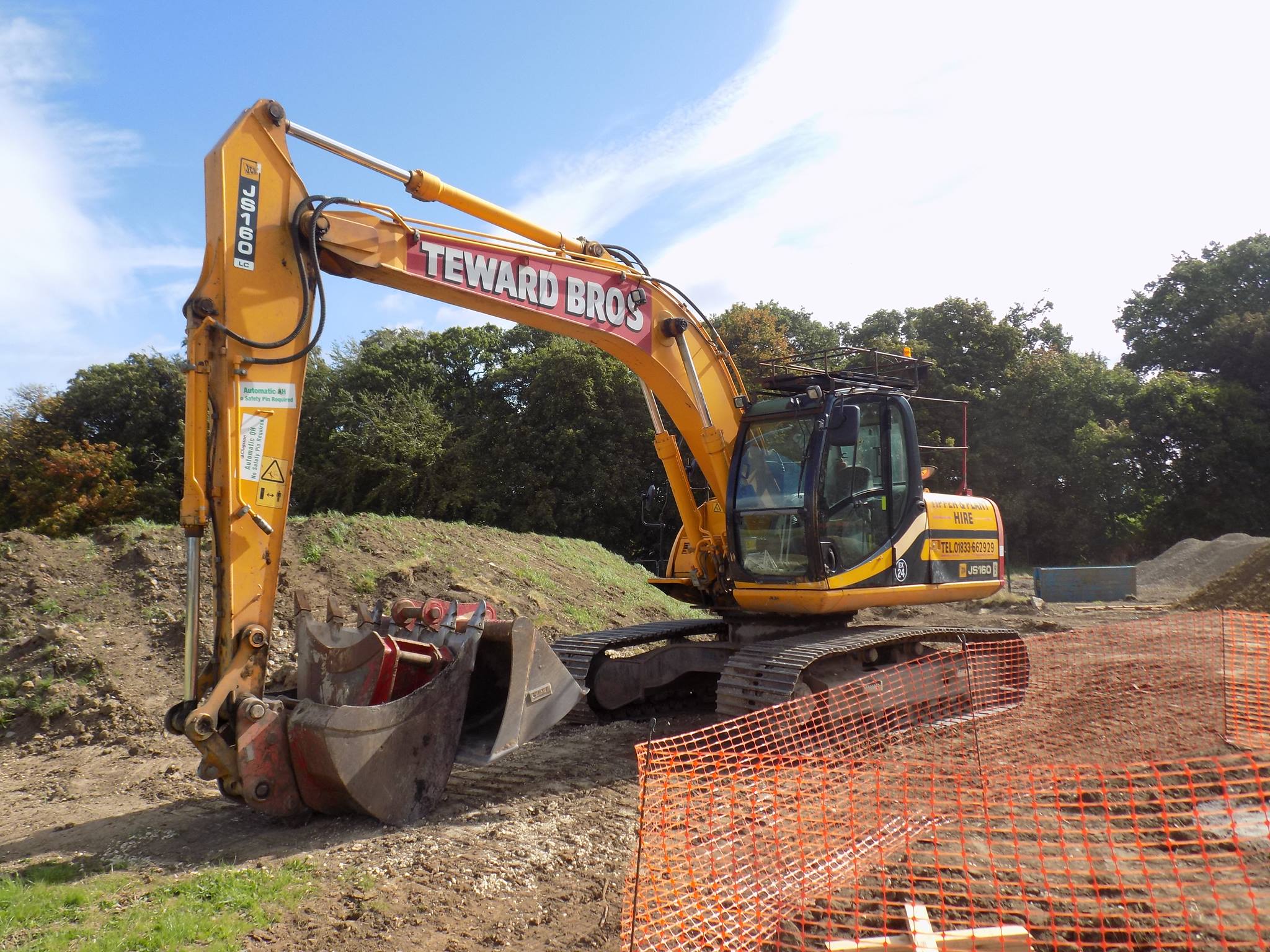
 Due to central government plans to build more than 25,000 new homes by 2020 and up to 225,000 in the longer term, many new developments are taking place in Middlesbrough. In order to facilitate this, the Council is in the process of devising a new Local Plan which will set out local planning policies and identify how land is used and what will be built where. While the plan may profess to offer a solution to some of our social and economic problems and build strong and sustainable communities, in reality any plan in isolation cannot do this. “Community” is something that cannot be built with bricks and mortar alone.
How we connect to where we live relates to our sense of identity, how we connect with others and how we see ourselves as part of a wider society. A sense of community is something that cannot easily be measured in monetary terms, however it does have a great value, regardless of land and property prices. Emotional attachment and interaction with our physical environment offers many health and wellbeing benefits to individuals and families, which despite being felt by many, are almost impossible to measure.
 People need to act now to protect the places they care about, identify the places valuable to their communities and put pressure on local and national government to make significant changes to a planning system which does not give any value to how people connect to their living environment. Strong communities can only be built when the emotional investment people have to where they live is given the recognition it deserves. The emotional attachment we have to places and spaces and how we interact with them should not be regarded as oppositional to modern town planning, but instead should be incorporated into the planning process.
Hands on Middlesbrough was set up in 2014, after the felling of over 160 mature trees in the grounds of Acklam Hall made way for a controversial housing development, and which I believed caused the unnecessary loss of habitat for wildlife and a loss of a place which was of personal comfort to me.
After moving from the town centre as a nine-year-old, Acklam Hall woods fed my imagination and sparked an interest in the natural world. Though a trip to Stewart Park was a real treat, with its landscaped simplicity, Acklam Hall woods were ancient and special.
Hands on Middlesbrough was set up to protect, promote and support heritage and green space in Middlesbrough, and to inform the public about planning applications which put heritage and green space at risk. My overall aim was to encourage people to get involved and have a say in how the town develops.
Scarlet Pink
Hands On Middlesbrough
Scarlet is a commited activist and campaigner on a range of causes locally. Her work in projects showing the best of Middlesbrough: past, present and future – makes her a valuable voice in this network


Great blog Scarlet, are you aware of Middlesbrough council’s social regeneration plans? Are you linked into those conversations? If not your voice needs to be heard within that dialogue.
It is rare that we take an interest in planning applications, especially when they do not have a direct influence on our immediate environment and this usually means that it effects our personal house price. And when we do respond to a planning application it is usually in a reactionary way. We react to that which may be taken from us soon. I believe that we should try to shift this reactionary approach into one where we are already aware of the value of places, were we have had the discussion about what we want to see, what we want to keep and what we feel we can develop with everyone in mind. I believe there is another way, a way where we can all state what it is we love of our town. We could collectively map those area we would love to see developed and those areas we would love to keep and pass on to our children’s children. Where Scarlet talks about political, ideological and economic impacts not being separable it is difficult for us all to see this until it is mapped out, where do we and why do we invest in an area, why do we like to go to a park or sit on a bench, what do we get from these things and what is lost can be very significant. I think it is important that we have the opportunity to write about a place and share this with others so they may see or even be inspired to write about their space or place that bring them health benefits, joy and a reason to invest their lives along side ours. I am with Scarlet, with the council and with development, the right development for the shaping of a place that is worthy of its name, Middlesbrough.